
Rebranding: when to renew your brand identity and when not to
Changing your image for the sake of it usually comes at a cost. Signs that a brand genuinely needs renewal, and how to prepare it without losing what already works.
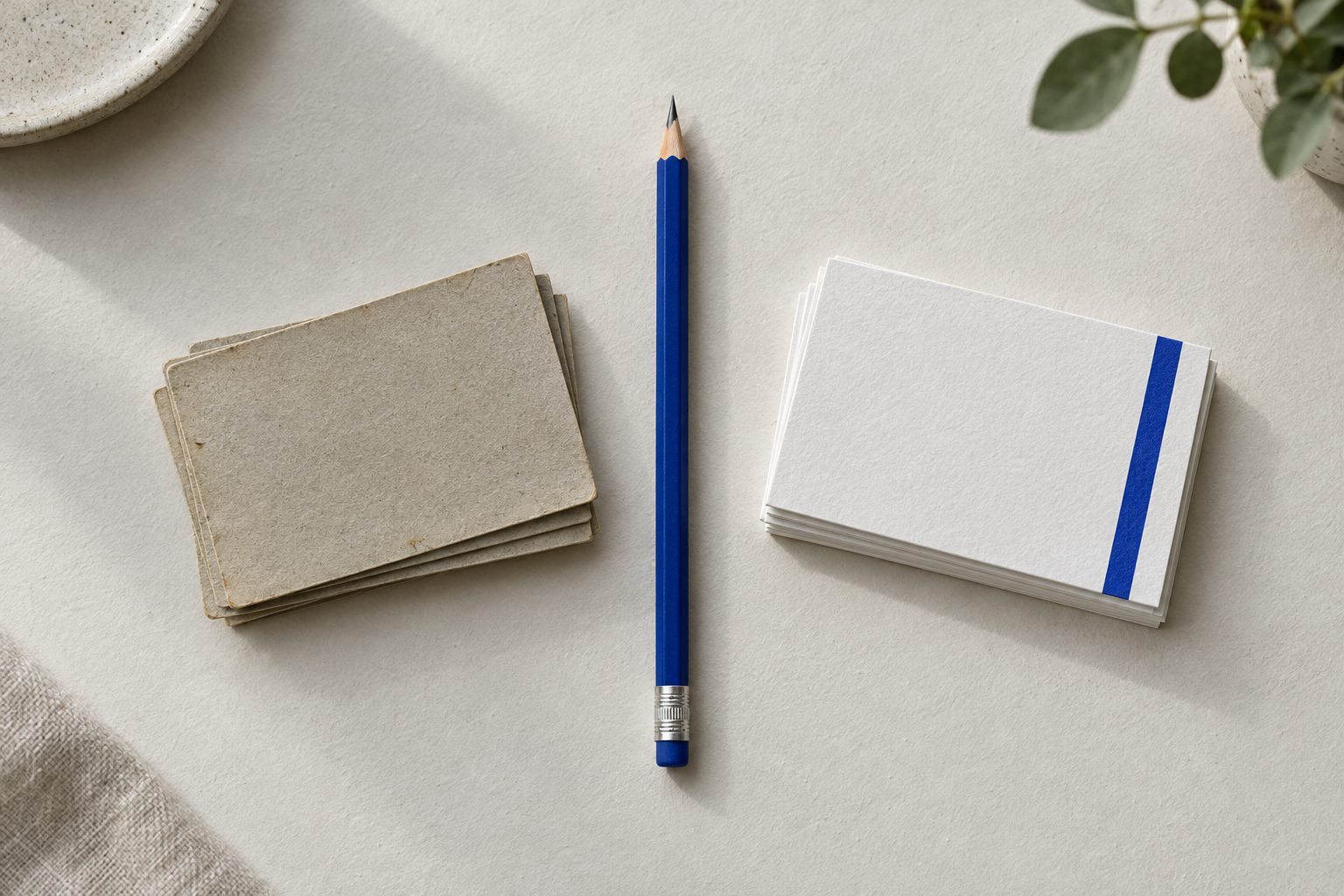
Over time, many brands feel the temptation to change their image: a logo that looks dated, a website the team no longer recognises as their own, materials that everyone adapts in their own way. The useful question is not whether the design is still liked, but whether the identity still expresses what the company is and wants to become.
Rebranding can be a strategic decision or a cosmetic expense. The difference lies in the diagnosis. Before commissioning a redesign, it is worth checking exactly what is failing and what should be kept.
Signs the identity has fallen behind
Some symptoms repeat themselves: the visual brand no longer adapts to current channels, the team avoids the templates because they do not work, or the image describes a company that no longer exists. If the offer, the audience or the positioning have changed and the identity has not, the disconnect shows at every touchpoint.
Another sign is accumulated inconsistency: tweaks made year after year, logo versions that coexist, colours that shift depending on who prepares the piece. When maintaining the brand costs more than renewing it, the problem is no longer aesthetic.
When a rebrand is not needed
Leadership being tired of the logo is not a sufficient reason. Brand symbols build recognition over the years, and that recognition is an asset that a complete change puts at risk. If the identity still organises information, sets the brand apart and can be applied without friction, perhaps all it needs is discipline in use.
Renewing the image to cover a deeper problem is not a good idea either. If what is failing is the product, the service or the communication, a fresh coat of paint will not fix it and can widen the gap between what the brand promises and what it delivers.
Adjustment, evolution or complete change
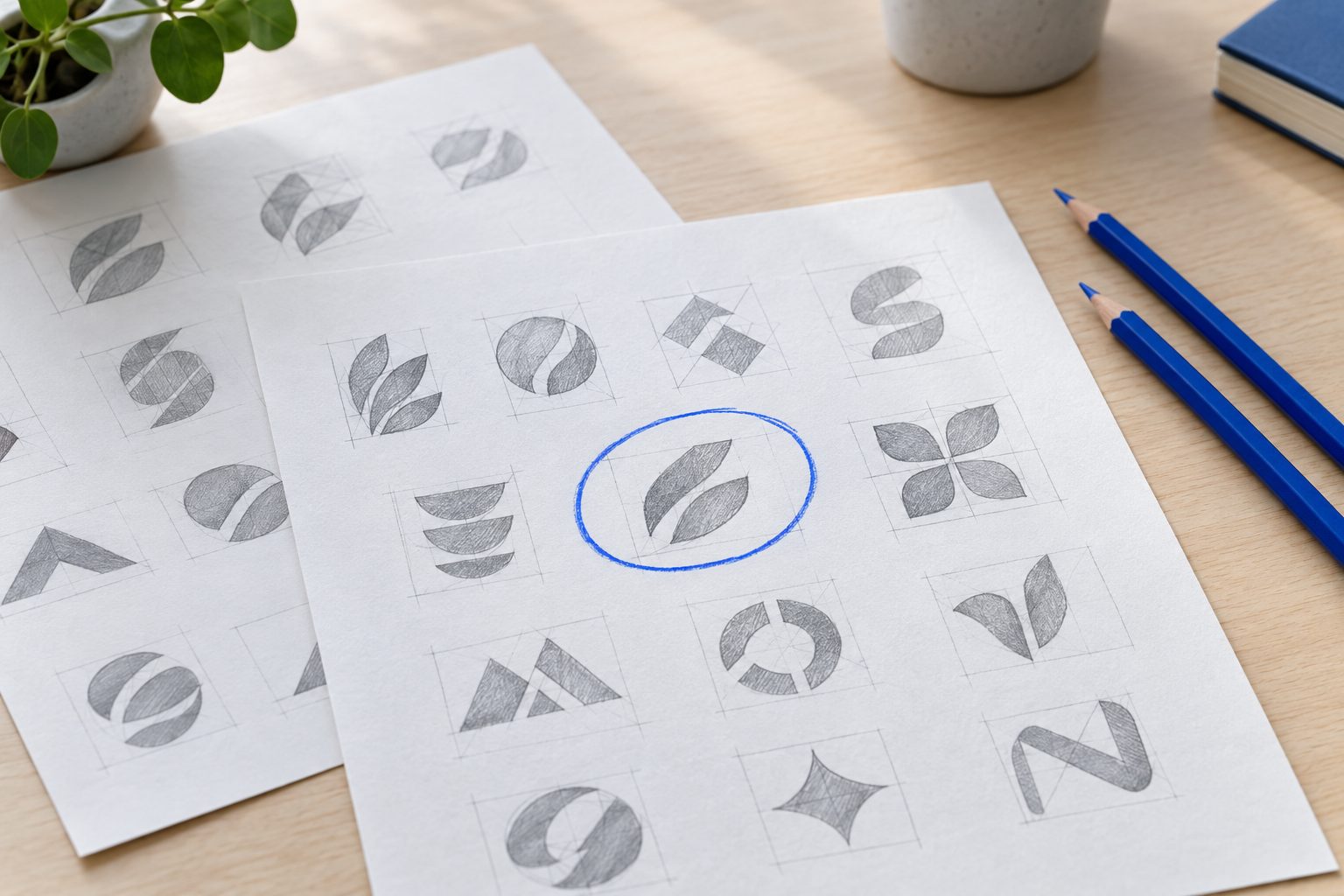
Not every rebrand is a revolution. Sometimes an adjustment is enough: tidying up typography, updating the palette or simplifying applications that have become hard to maintain. An evolution goes one step further: it reviews the visual system but keeps the elements people already recognise.
A complete change is justified when the company has changed so much that the current identity can no longer represent it, or when a strategic reason demands it. The deeper the change, the more important it is to explain it inside and outside the organisation.
How to prepare the process
Before asking for proposals, write a clear brief: what the new identity must solve, which pieces it will affect and which criteria you will use to decide. Collect the existing material and identify what works so you do not lose it along the way.
Plan the rollout as well: which surfaces will be updated first, how long the two versions will coexist and who will safeguard coherence from then on. Good design with a poor rollout ends up becoming a catalogue of exceptions.
At Hommu, rebranding is part of our graphic design, branding and creativity service. If your brand no longer explains who you are, we can help you decide what to renew and what to protect.