
Art direction: how a brand's visual style is built
Who decides how a brand's photography, video and campaigns should look, and how to make every visual piece say the same thing.
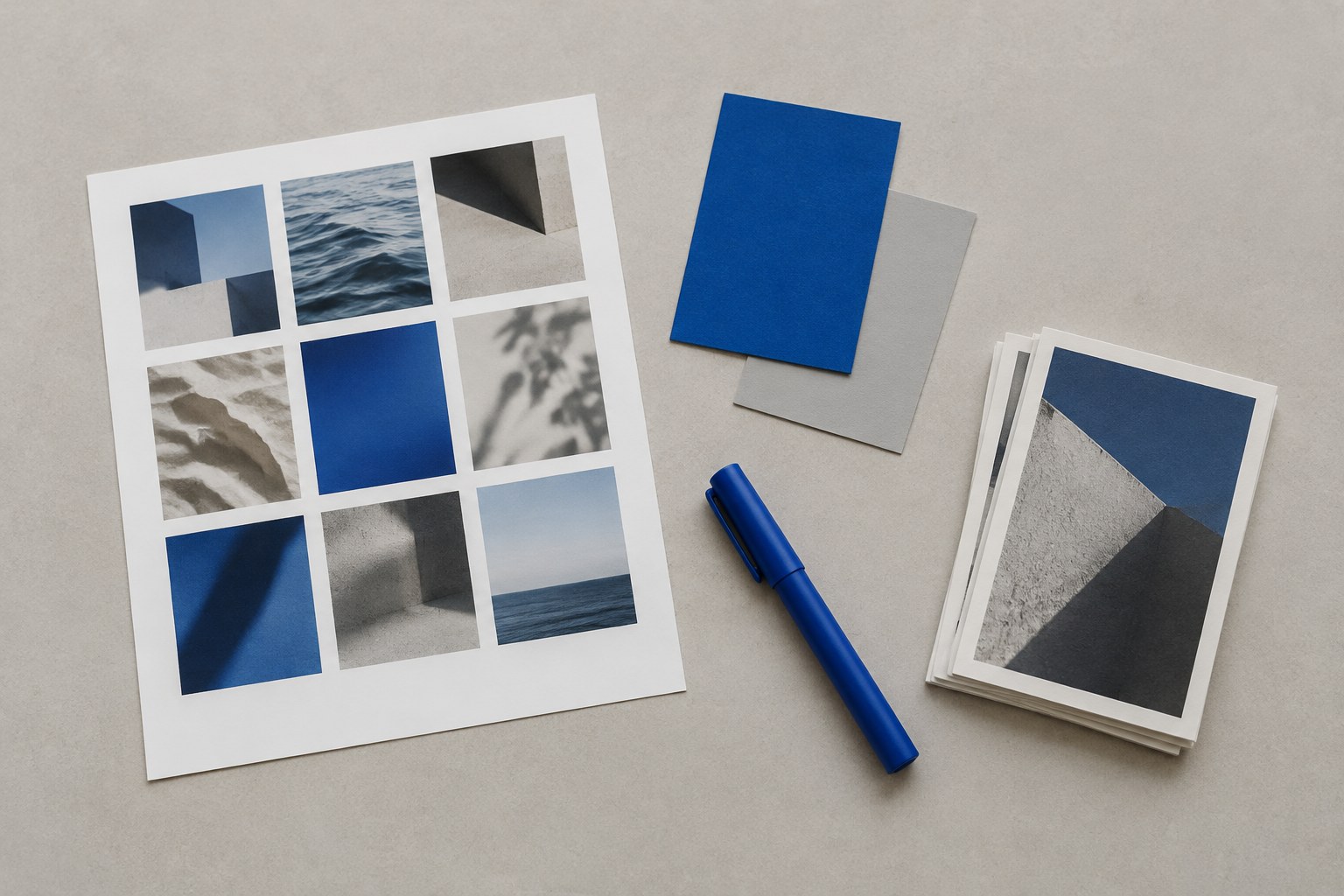
When a brand produces photography, a video or a campaign, someone has to decide how the image should look: the light, the colour, the framing, the materials, the pace. That decision is not a matter of the day's taste. It is art direction, and it works so that every visual piece says the same thing.
Art direction turns the brand idea into a visible language. It does not pick pretty images: it defines an ownable style that can be repeated, recognised and grown over time.
What an art direction decides
It orders a range of decisions that are often taken separately: the type of photography (documentary, studio, product), the treatment of colour and light, composition and framing, materials and set design, and the overall tone (close, distant, playful, calm). In video it also decides how the piece moves and how image and typography combine.
From moodboard to style guide
The work starts with references: moodboards, contact sheets, colour and light tests. This material is not an inspiration folder, but the path to a visual style guide with concrete rules any team can apply: what we do and what we do not do.
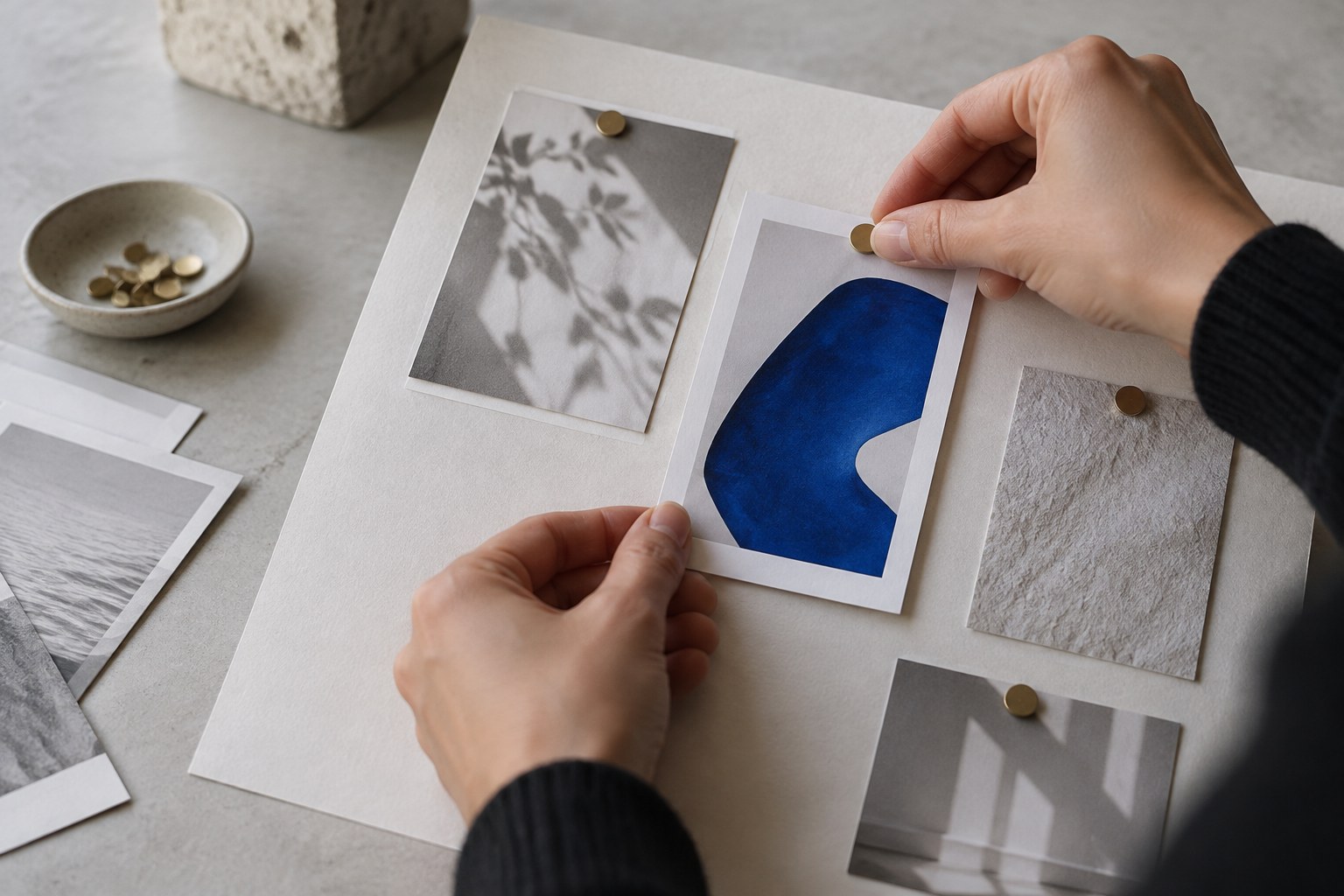
When a brand needs it
There are clear signals: every photo shoot looks like a different company, the image library mixes incompatible styles, campaigns depend on the taste of whoever assembles them that week, or a repositioning calls for a new image nobody can define. In these cases, an art direction saves time and arguments, because the decisions are already made.
How it lives with the graphic identity
Art direction does not replace graphic design or visual identity: it complements them. The identity defines logo, typefaces and colours; art direction decides how all of that behaves in real imagery, in photography, video and motion. Both must be born from the same strategy so they do not drift apart.
A simple test
Gather the brand's last twelve visual pieces. If they look like twelve different worlds, art direction is missing. If the brand is recognised before the logo appears, the system works.
At Hommu we work on art direction within graphic design, branding and creativity, from the same table that handles strategy and digital. If you want to review your brand's visual style, write to us.